Skip to content
Advanced Thermochemical Recycling

Essay Energy — plastic and tyre recycling through advanced thermochemical recycling. Turning wasteinto worth.

Plastic waste is everywhere — but responsible recycling can turn the problem into an opportunity.

Essay Energy converts post-consumer plastics and end-of-life tyres into valuable industrial resources through advanced thermochemical recycling.

Post-Consumer PlasticsWaste Tyres
Thermochemical Depolymerisation · 380–520°C
PFORecovered
rCBRecovered
SteelRecovered
SyngasRecovered
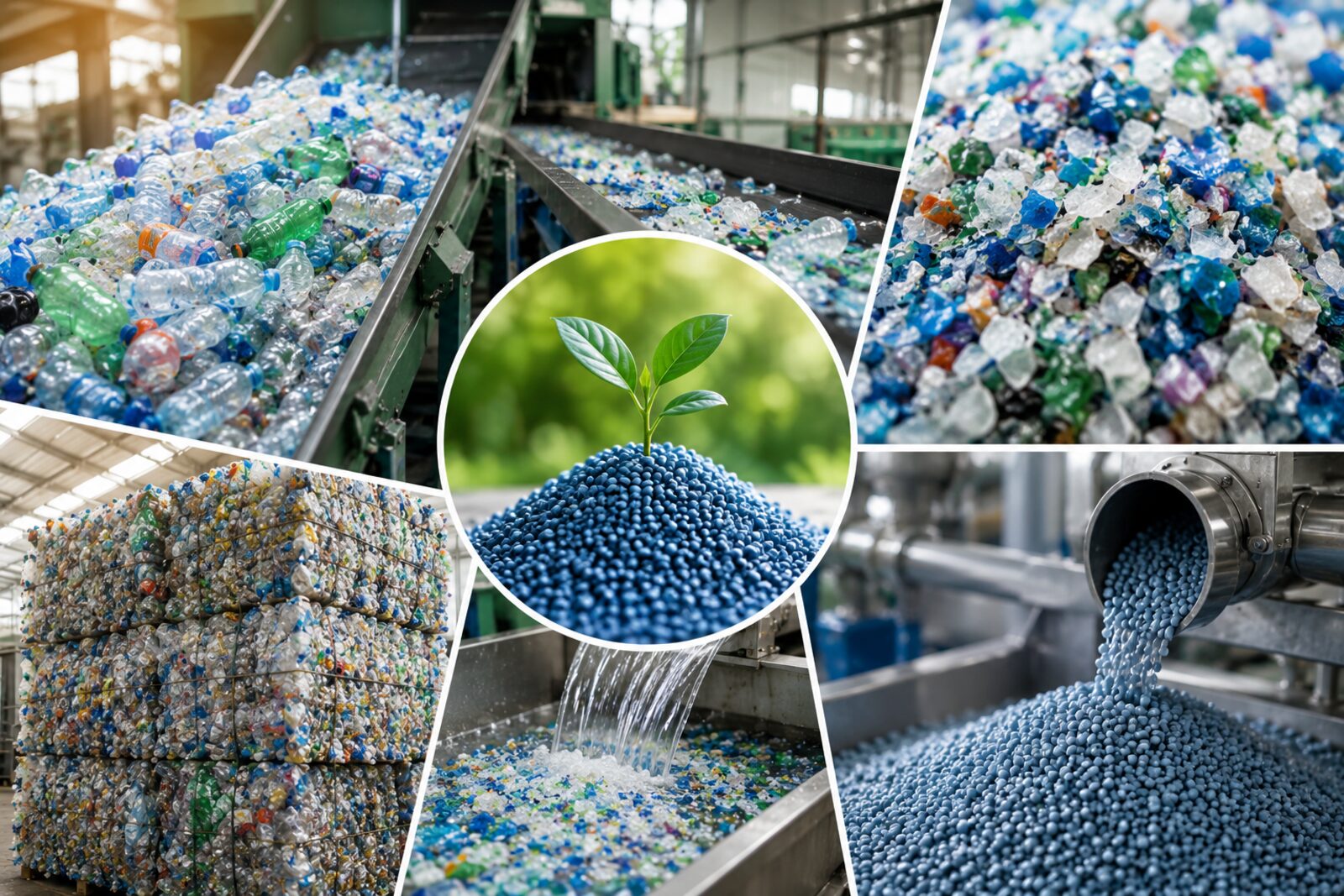
Post-consumer plastic bottles, washed flake and recycled polymer pellets moving through an advanced plastic recycling facility
Plastic Circularity

Turning plastic waste into industrial value.

Post-consumer plastic should not be treated as the end of a material's journey. Essay Energy is focused on transforming difficult plastic waste streams into valuable resources through advanced thermochemical recycling — creating a pathway from discarded material to new industrial value.

From material recovery to useful hydrocarbon products, our approach is designed to keep valuable carbon in circulation while helping industries move toward a more resource-efficient future.

Plastic waste in. Valuable resources out.

Circular Economy

Waste is not the end of a material's life. It can be the beginning of another value chain.

Essay Energy was founded with a single, uncompromising conviction: that the growing mountains of discarded plastics and end-of-life tyres across India are not a problem — they are a profoundly misclassified resource.

Rooted in the industrial heartland of Maharashtra and backed by advanced thermochemical technology, we bridge the gap between mounting waste volumes and the industries that need affordable, lower-carbon input materials.

Established
EST. 2022
Operations
Palghar · Maharashtra
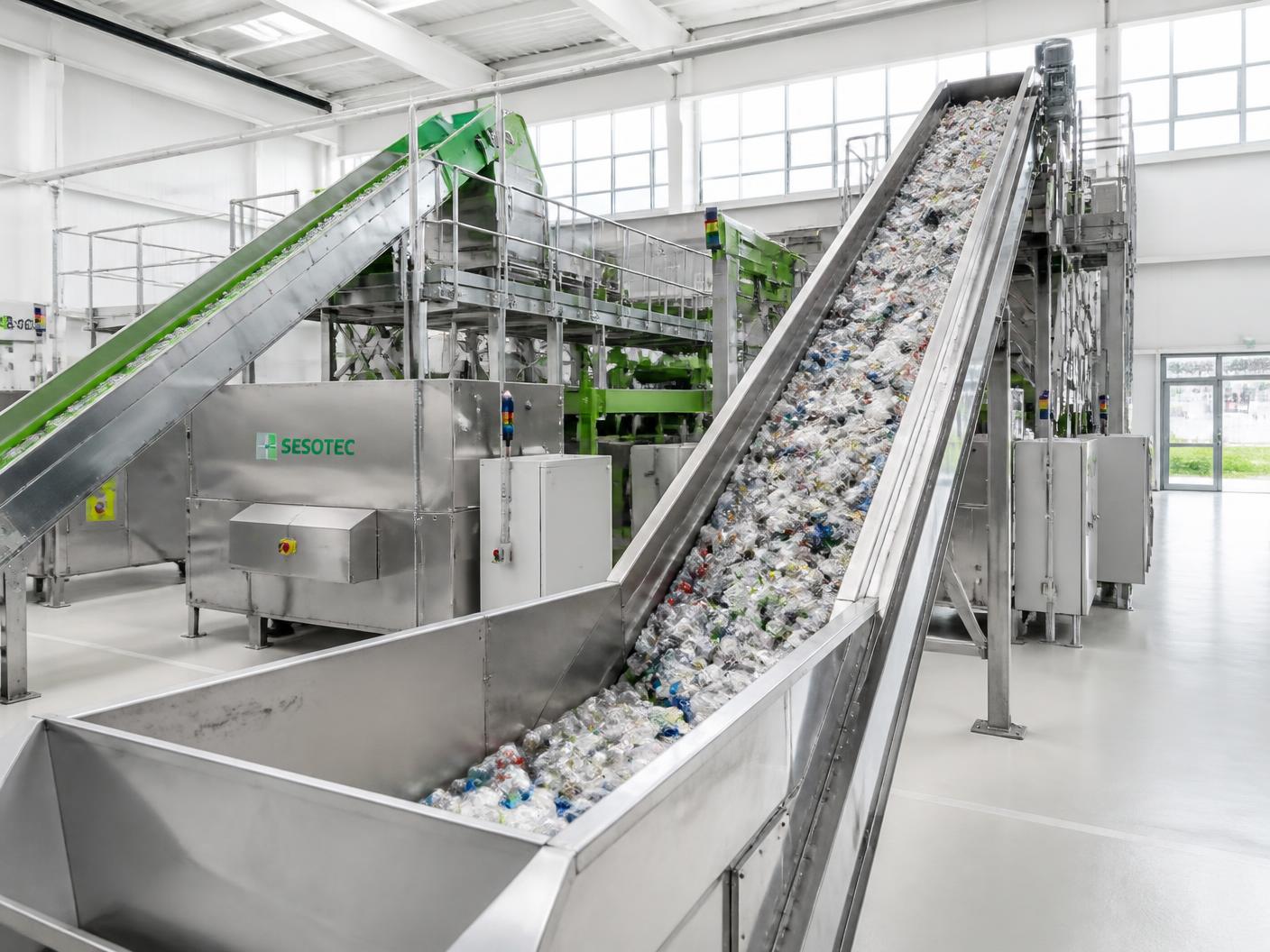
Bright modern material recovery facility with conveyors carrying baled post-consumer plastic
Material recovery infrastructure — illustrative.
0
Established

Incorporated 07 December 2022

0
Feedstock Streams

Post-consumer plastic · Tyre rubber

0
Core Material Outputs

PFO · rCB · Steel Wire · Syngas

380–0°C
Reactor Range

Oxygen-free depolymerisation

Illustration of a green city skyline, wind turbines and the earth representing sustainable industry
  • Circular Economy
  • Environmental Impact
  • Sustainable Industry
  • Resource Recovery
Closed-loop by design
Technology

How we convert waste to value

Essay Energy employs advanced Thermochemical Depolymerisation (TCD) — the controlled thermal decomposition of hydrocarbon-rich polymers in an oxygen-free reactor environment. No open burning. No landfill.

  1. 01

    Feedstock Collection

    Post-consumer plastics and end-of-life tyres from dealers, municipalities and industry.

    Inbound
  2. 02

    Shredding & Preparation

    Material shredded to uniform size. Steel magnetically separated. Moisture reduced.

    Pre-processing
  3. 03

    Pyrolysis Reactor

    Feedstock heated at 380–520°C in an oxygen-free environment. Polymer chains crack into vapours.

    380–520°C
  4. 04

    Condensation & Recovery

    Vapours condensed into pyrolysis oil. Carbon black collected as solid. Syngas looped as fuel.

    Recovery
  5. 05

    Certified Output

    Batches of PFO, rCB and steel wire dispatched with a full Certificate of Analysis.

    Dispatch
Feedstock

Two streams. One reactor.

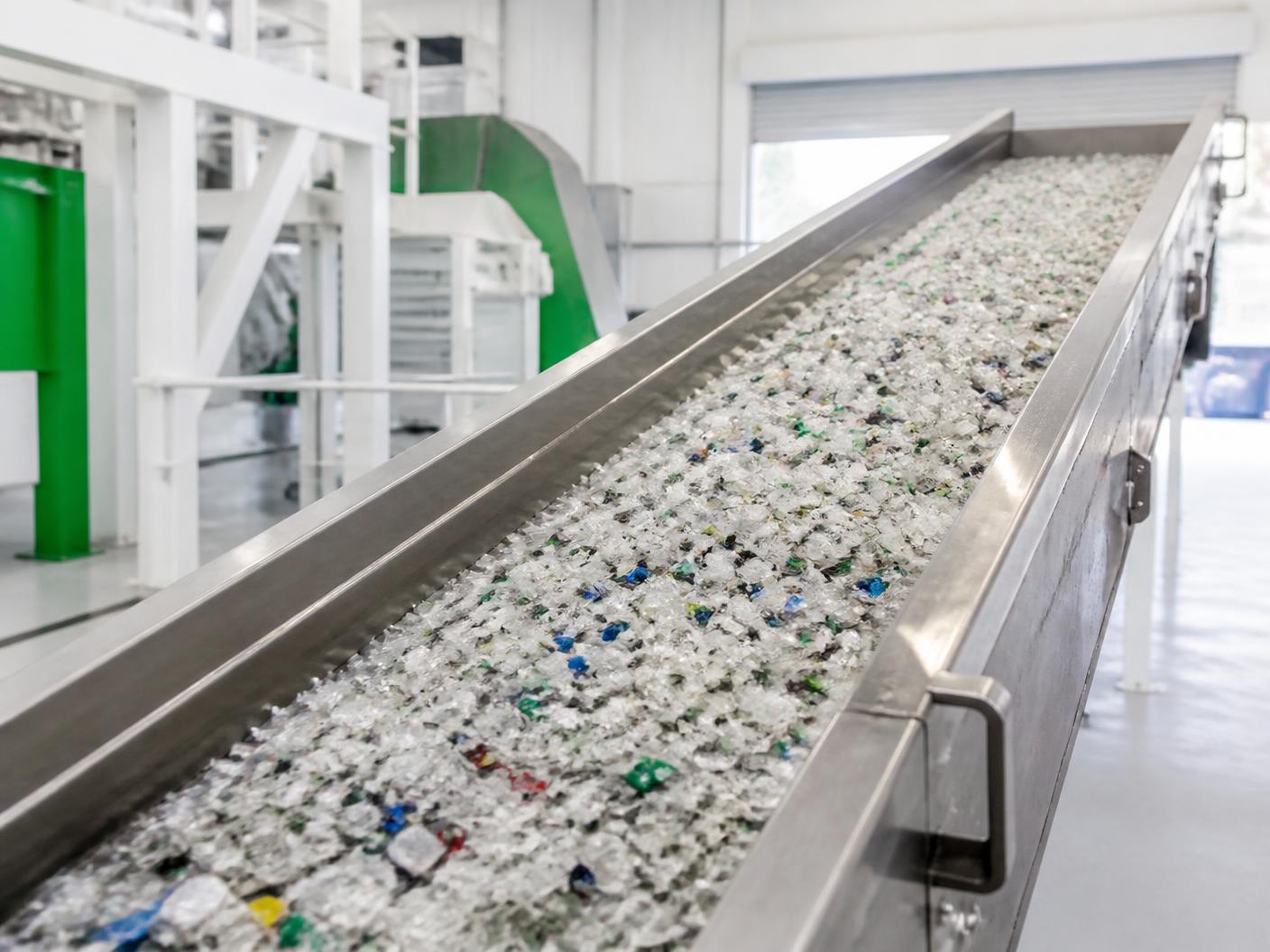
Shredded post-consumer plastic flake on a stainless conveyor inside a bright recycling plant
Post-Consumer Plastic Stream
  • PE
  • HDPE
  • LDPE
  • PP
  • PS
  • ABS
  • Mixed post-consumer plastics

PE (HDPE/LDPE), PP, PS, ABS and mixed post-consumer plastics — packaging film, bottles, containers and industrial waste — processed through the same pyrolysis reactor. Plastic feedstock yields a lighter, higher-calorific oil fraction. Contaminated and mixed streams are accepted, reducing sorting burden for municipal and industrial partners.

Outputs — Plastic Pyrolysis Oil · Syngas
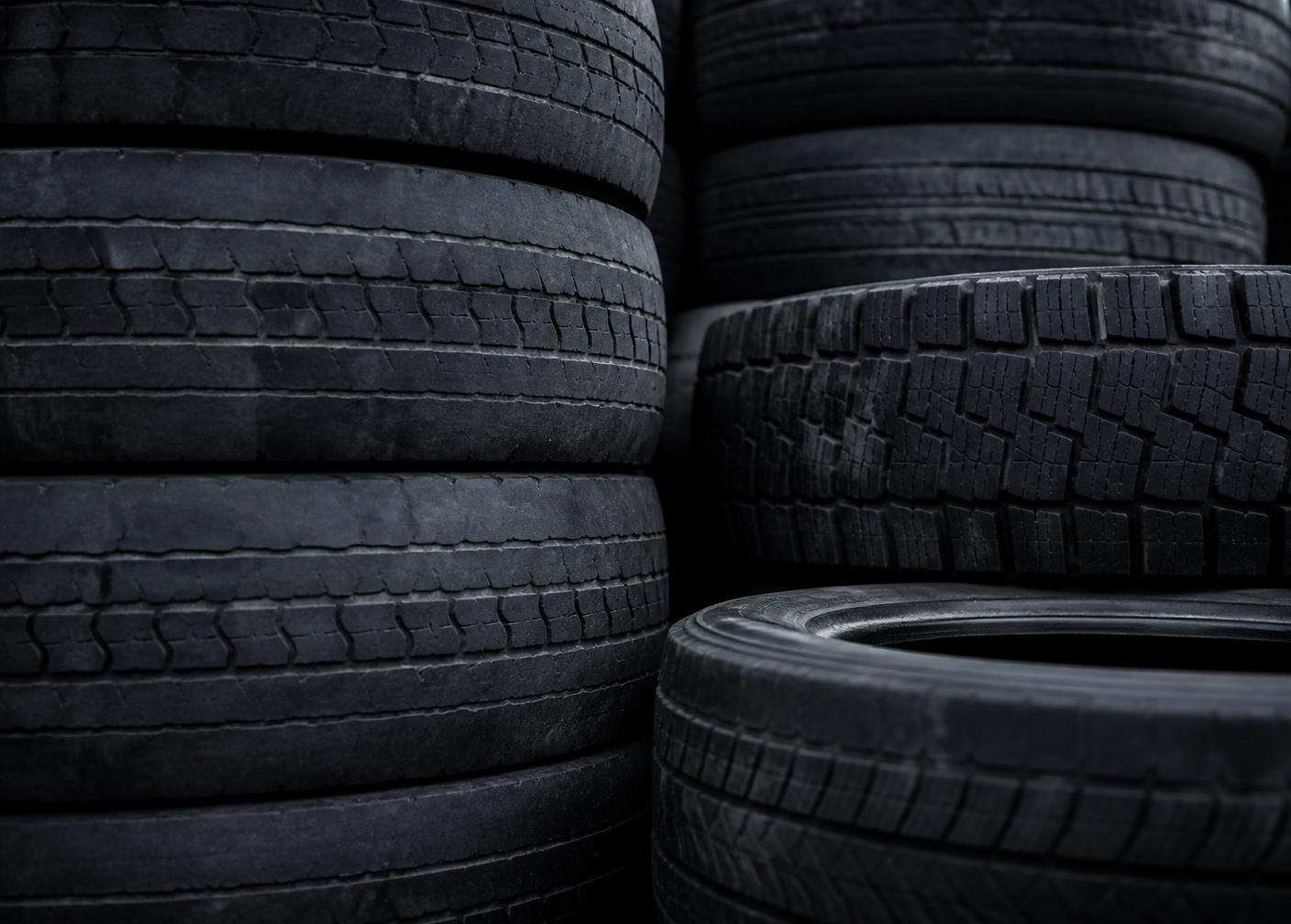
Stacked end-of-life truck and passenger tyres awaiting processing
End-of-Life Tyre / Rubber Stream
  • Passenger tyres
  • Truck tyres
  • OTR tyres
  • Industrial tyres

Passenger, truck, OTR and industrial tyres are accepted. Comprising natural rubber (NR) and styrene-butadiene rubber (SBR), tyre feedstock undergoes thermal decomposition yielding pyrolysis fuel oil, recovered carbon black and high-grade scrap wire. Tyre-derived oil has a density of ~0.91 g/cc and a low flash point, making it an efficient industrial fuel.

Outputs — PFO · rCB · Scrap Steel Wire · Syngas

Zero landfill discharge
Quality

Certified output, batch by batch

Every batch of PFO and rCB is tested before dispatch. Buyers receive a Certificate of Analysis with density, calorific value, sulphur content and flash point data. No guesswork. No variable quality.

Certificate of AnalysisPer Batch
Density
Tested
Calorific Value
Tested
Sulphur Content
Tested
Flash Point
Tested
Representative format · Illustrative only
FAQs

Questions about
Essay Energy?

Find clear answers about our technology, products, feedstocks and circular recycling operations.

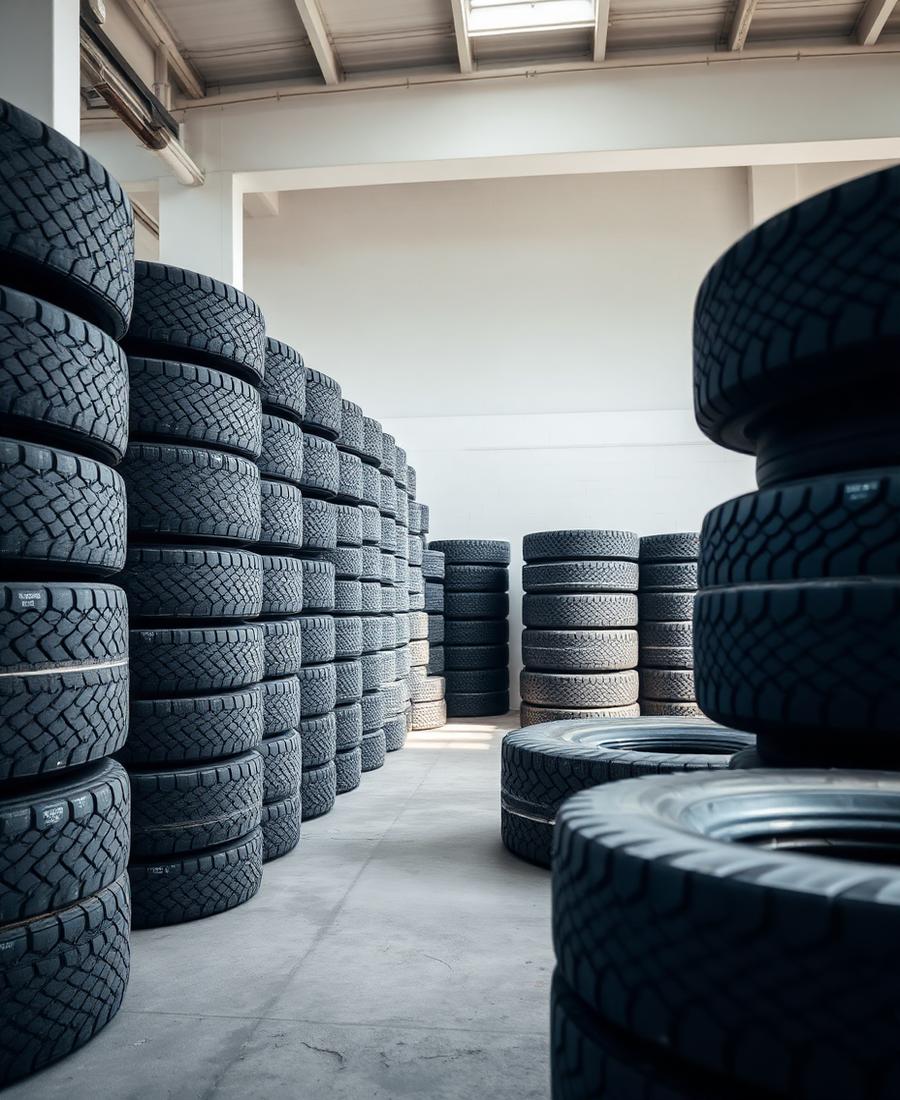
Neatly stacked end-of-life truck tyres awaiting processing in a bright recycling warehouse
Feedstock
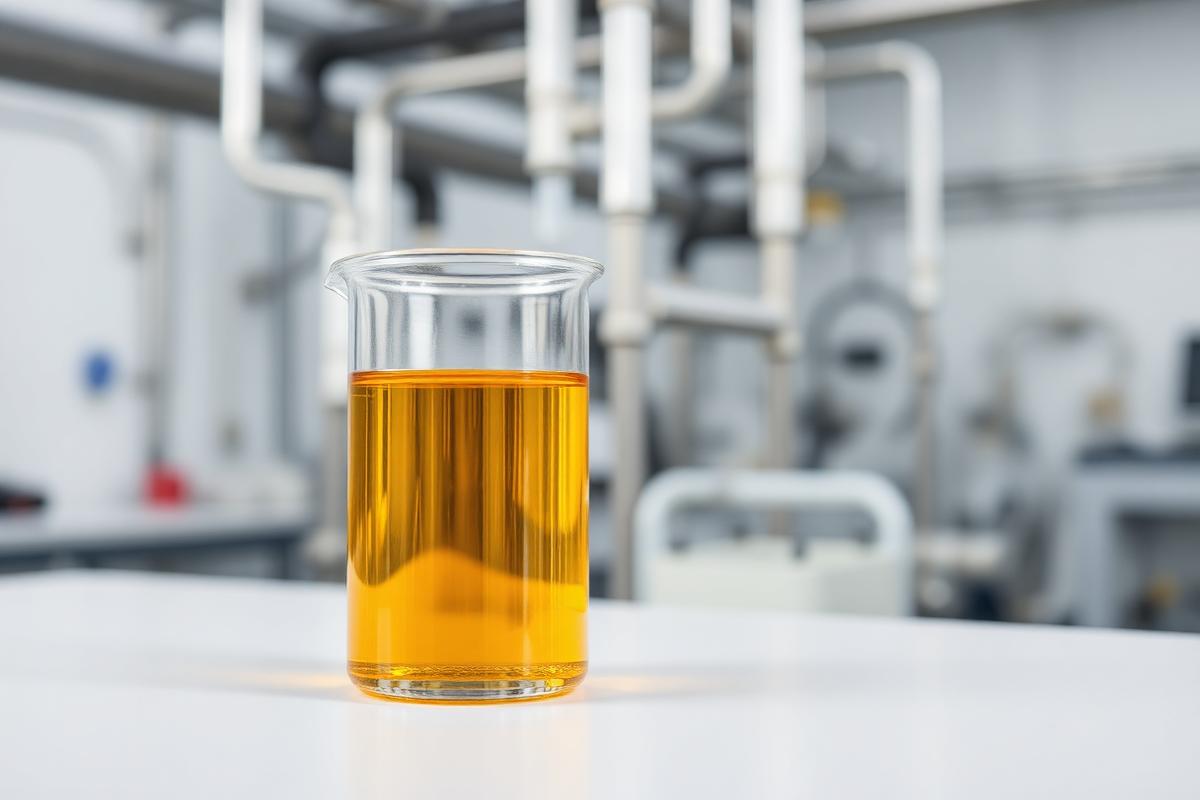
Amber pyrolysis fuel oil sample in a laboratory beaker beside clean process pipework
Pyrolysis Fuel Oil
Close-up of fine recovered carbon black powder in a white dish
Recovered Carbon Black
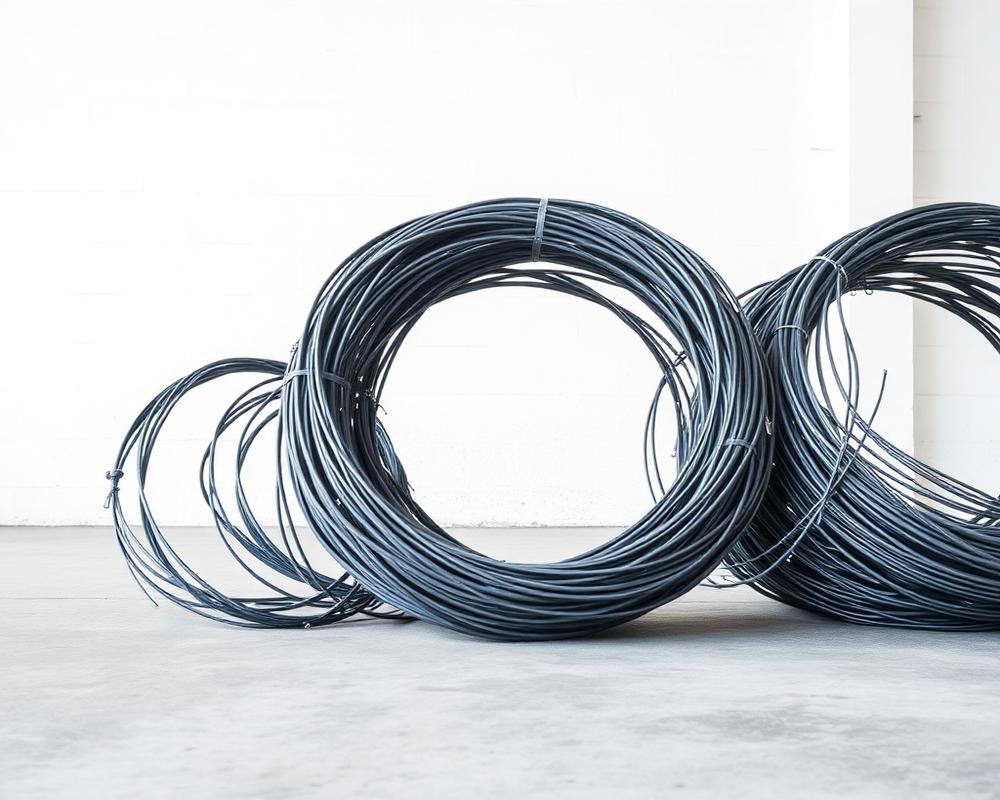
Coiled recovered steel wire bundles recovered from tyre processing
Recovered Steel Wire

Waste → Process → Products → Industrial value. Turning waste into worth.

Partner with us

Let's build a more circular industry.

Feedstock suppliers, offtake buyers and infrastructure partners — we are building the resource recovery capacity Indian industry needs.

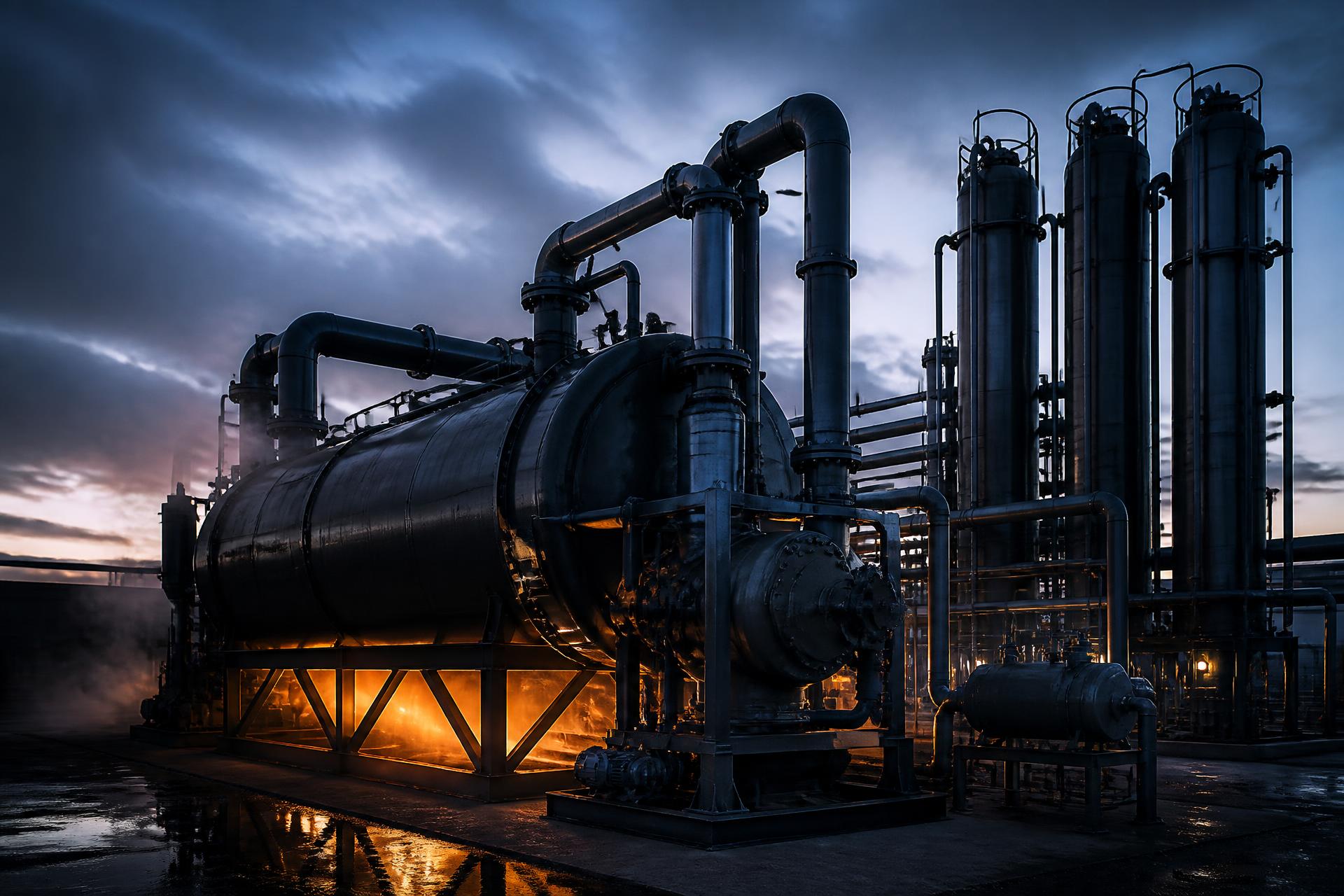
Resource recovery infrastructure at Essay Energy
Resource Recovery Infrastructure