
Skip to content
02 — Technology

How we convert waste to value.

Essay Energy employs advanced Thermochemical Depolymerisation (TCD) — the controlled thermal decomposition of hydrocarbon-rich polymers in an oxygen-free reactor environment. This breaks the long molecular chains of rubber and plastic into shorter hydrocarbon fractions, yielding liquid fuel oil, solid carbon black, combustible syngas and recoverable steel.

  • 380–520°C
  • Oxygen-free
  • No open burning
  • No landfill
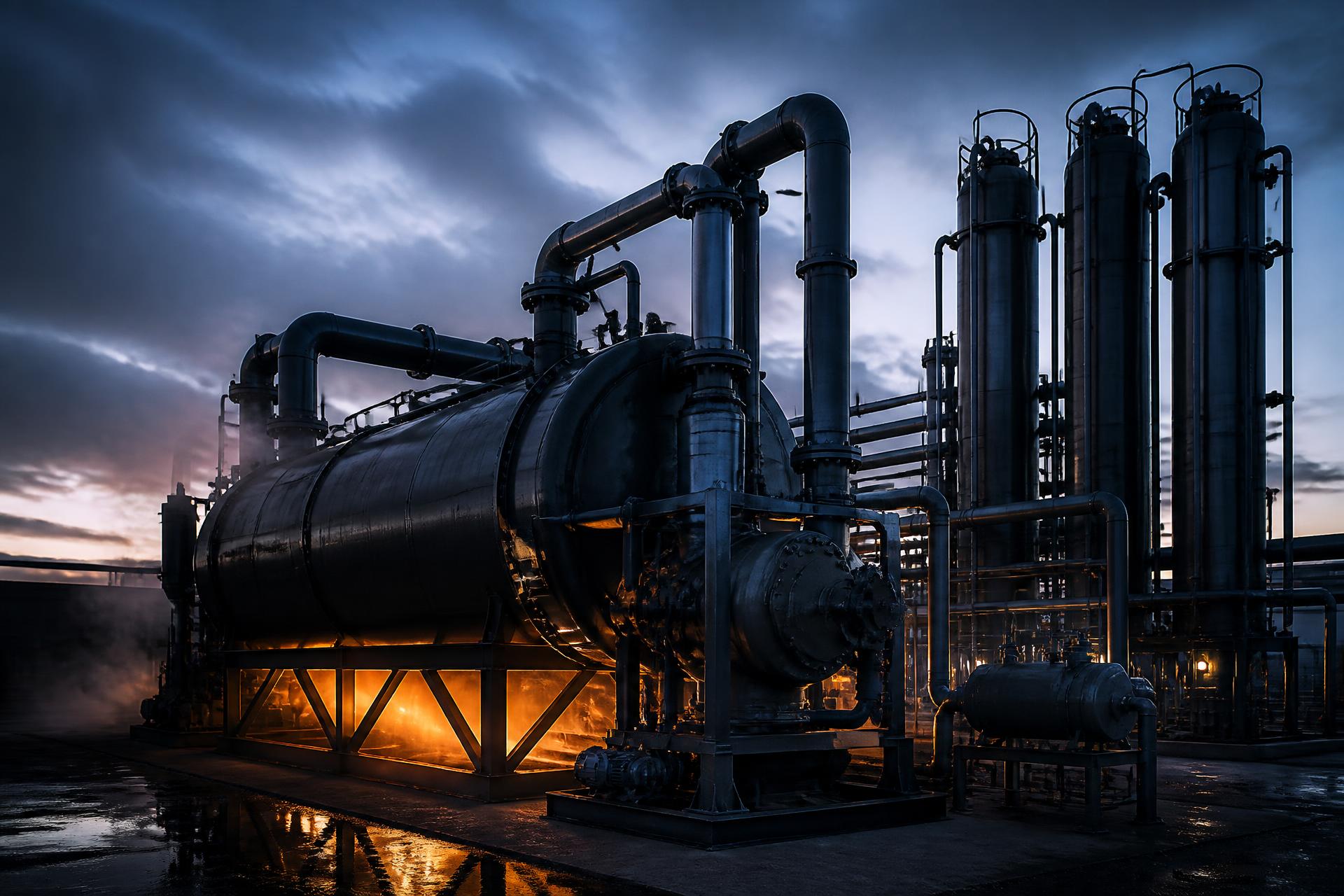
Pyrolysis reactor plant with insulated vessels, pipework and condenser towers
Resource Recovery

Pyrolysis reactor plant built for recovery.

Thermochemical depolymerisation of post-consumer plastics and end-of-life tyres at 380–520°C in a sealed, oxygen-free environment.

No open burning. No landfill discharge. Every stream leaving the reactor is captured, condensed and returned to industry as usable material.

Process

Five controlled stages

  1. 01

    Feedstock Collection

    Post-consumer plastics and end-of-life tyres from dealers, municipalities and industry.

    Inbound
  2. 02

    Shredding & Preparation

    Material shredded to uniform size. Steel magnetically separated. Moisture reduced.

    Pre-processing
  3. 03

    Pyrolysis Reactor

    Feedstock heated at 380–520°C in an oxygen-free environment. Polymer chains crack into vapours.

    380–520°C
  4. 04

    Condensation & Recovery

    Vapours condensed into pyrolysis oil. Carbon black collected as solid. Syngas looped as fuel.

    Recovery
  5. 05

    Certified Output

    Batches of PFO, rCB and steel wire dispatched with a full Certificate of Analysis.

    Dispatch
Plastic-first pathway

Difficult plastic waste, converted.

Post-consumer plastic is our primary feedstock. It moves through preparation, thermochemical recycling and recovery to leave as valuable industrial resources. End-of-life tyres run as a secondary stream into the same pathway.

Essay Energy plastic-first process pathway

  1. Merges into the same conversion & recovery pathway

Signature

Waste in. Worth out.

Feedstock enters a controlled thermal field and leaves as four distinct recovered streams.

Post-Consumer PlasticsWaste Tyres
Thermochemical Depolymerisation · 380–520°C
PFORecovered
rCBRecovered
SteelRecovered
SyngasRecovered

Non-condensable syngas is recycled as reactor fuel, making the operation near energy self-sufficient.

Feedstock

Dual stream capability

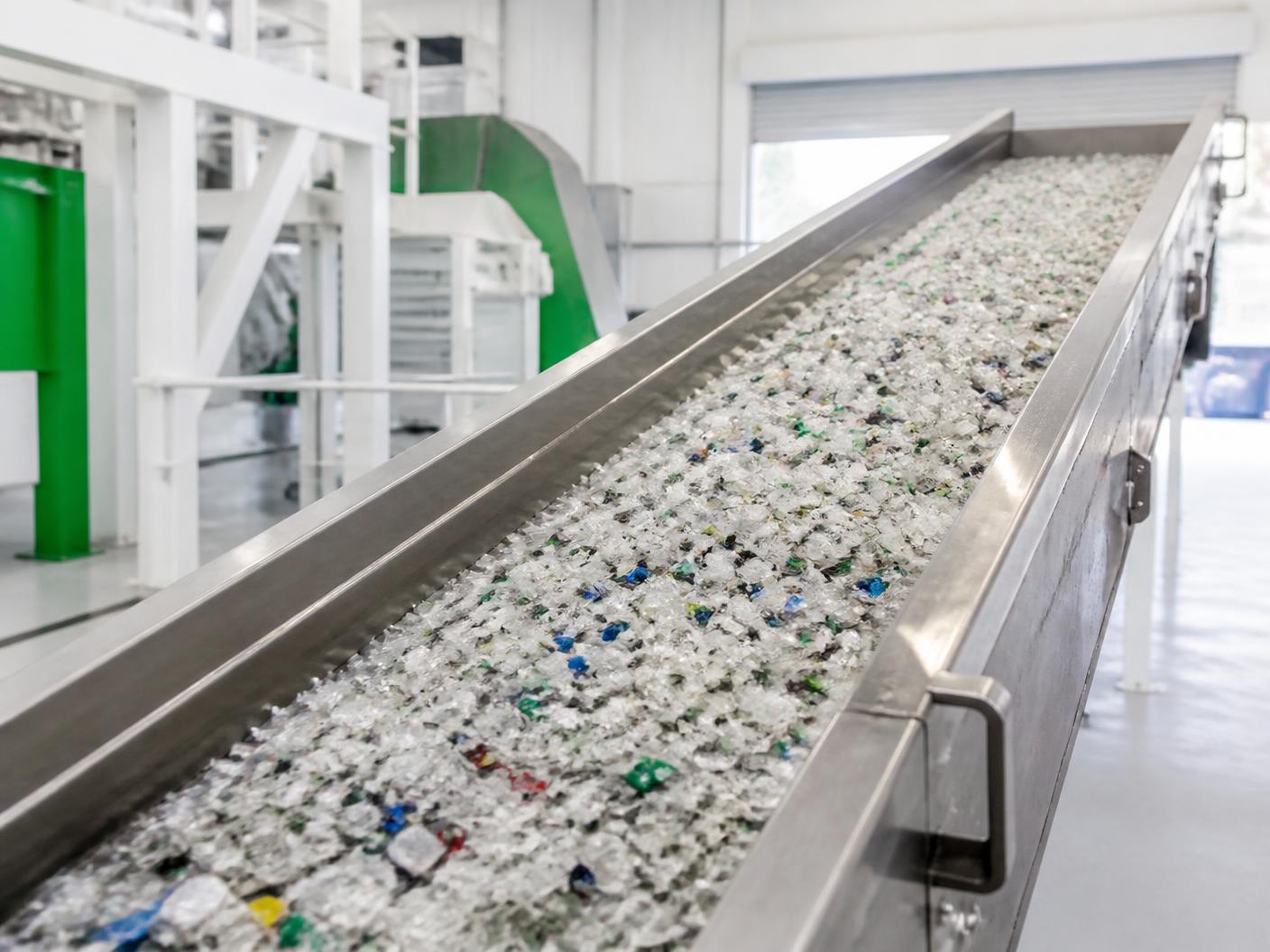
Shredded plastic feedstock conveyed into a pyrolysis reactor line
Post-Consumer Plastic Stream
  • PE
  • HDPE
  • LDPE
  • PP
  • PS
  • ABS
  • Mixed post-consumer plastics

PE (HDPE/LDPE), PP, PS, ABS and mixed post-consumer plastics — packaging film, bottles, containers and industrial waste — processed through the same pyrolysis reactor. Plastic feedstock yields a lighter, higher-calorific oil fraction. Contaminated and mixed streams are accepted, reducing sorting burden for municipal and industrial partners.

Outputs — Plastic Pyrolysis Oil · Syngas
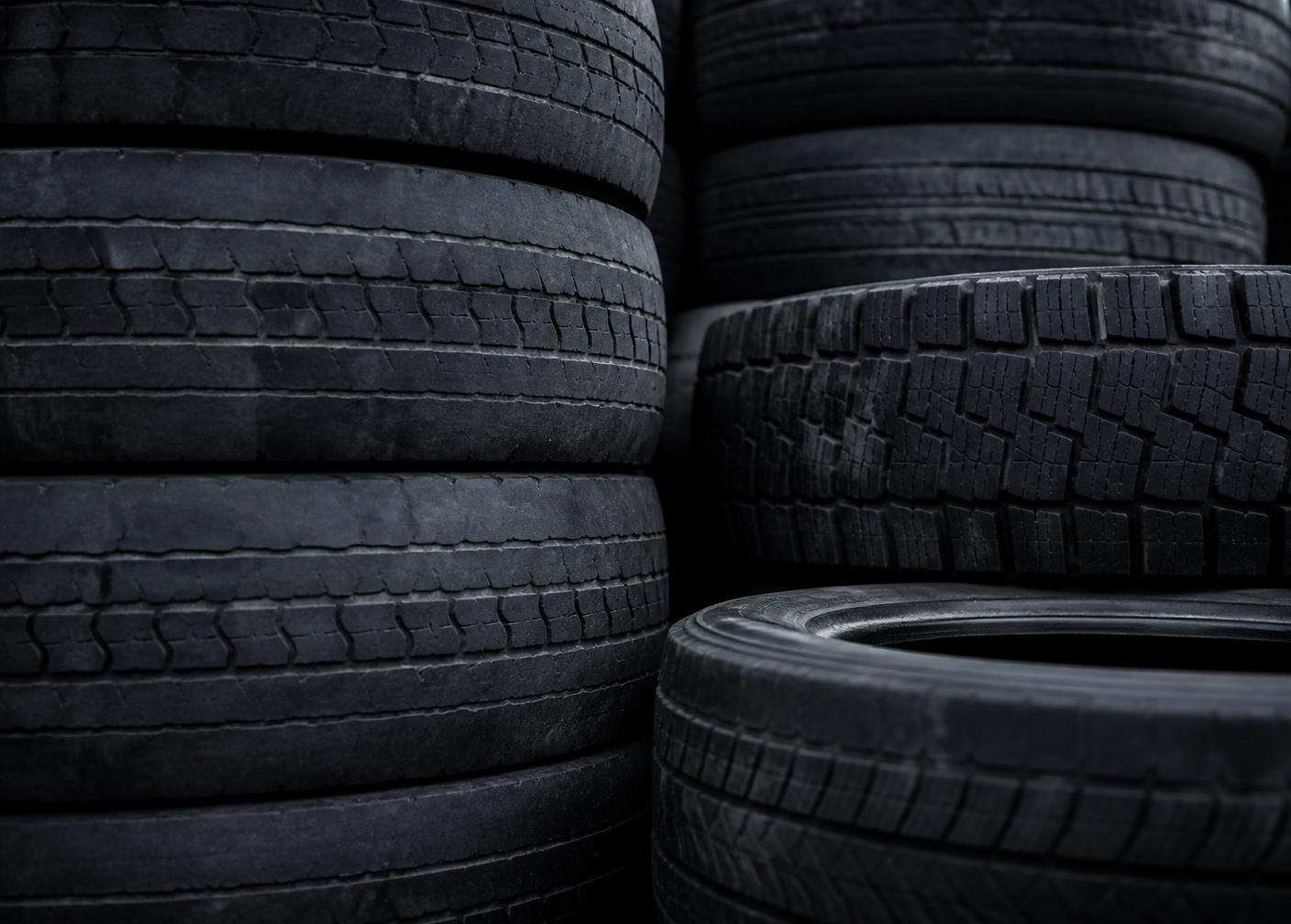
Close-up of stacked end-of-life tyres
End-of-Life Tyre / Rubber Stream
  • Passenger tyres
  • Truck tyres
  • OTR tyres
  • Industrial tyres

Passenger, truck, OTR and industrial tyres are accepted. Comprising natural rubber (NR) and styrene-butadiene rubber (SBR), tyre feedstock undergoes thermal decomposition yielding pyrolysis fuel oil, recovered carbon black and high-grade scrap wire. Tyre-derived oil has a density of ~0.91 g/cc and a low flash point, making it an efficient industrial fuel.

Outputs — PFO · rCB · Scrap Steel Wire · Syngas